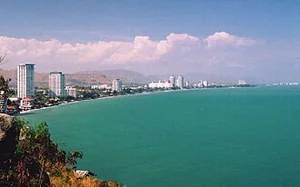
There’s a kind of magic about Hua Hin that sneaks up on you. It’s not the hard-charging energy of Phuket or the neon chaos of Pattaya. Instead, this Gulf of Thailand town greets you with a gentle breeze, palm-fringed streets, and a long, flat beach where horses still trot along the surf. For first-time visitors, the reaction is often the same: a deep exhale. Hua Hin feels like a secret that the world somehow already knows, yet it refuses to let fame ruin its peaceful soul.
The town’s claim to fame is impressive. It’s Thailand’s oldest beach resort, a summer home for the royal family, and a magnet for sun-seekers, golfers, and food lovers from around the globe. The king’s shadow looms large here, literally and figuratively, as does the charm of a bygone era. Wooden piers, old-fashioned shophouses, and a railway station from the 1920s sit comfortably beside trendy cafés and seafood night markets. Hua Hin doesn’t flaunt its history; it simply lives in it.
Hua Hin’s story begins in a much humbler way. A few fishermen’s huts stood along a peaceful bay, known locally as Baan Nong Nual. The real turning point came in the early 20th century, when the Southern Railway line linked Bangkok to the Gulf coast. In 1926, King Prajadhipok (Rama VII) built the Klai Kangwon Palace, a name that translates to ‘Far from Worries.’ It was an unexpected choice for a monarch, but the king loved the quiet coastal air and the friendly village atmosphere. Just like that, Hua Hin became Thailand’s royal retreat.
The name ‘Hua Hin’ itself comes from the large granite boulders that lie scattered along the shore — ‘hua hin’ literally means ‘stone head’ in Thai. As the palace grew, so did the town. The Hua Hin Railway Station, completed in the 1920s, became a stunning example of early Thai pavilion architecture, complete with a separate royal waiting room. Over the decades, kings and queens, princes and princesses continued to descend on the town. Even today, the palace remains the official residence of the royal family, which means visitors can only peek inside when the family is away. That rare access only makes Hua Hin feel more exclusive, more special.
So what should you do with your time in Hua Hin? Start with the beach — it’s the soul of the place. You can rent a beach chair for the day, sip a fresh coconut, and watch the fishing boats bob in the distance. For a truly iconic experience, hop on a beach horse and ride along the waterline as the sun starts to glow. It’s a classic Hua Hin photo, and you’ll understand why the royals once chose these sands for their quiet escapes.
When you’ve had your fill of sand, wander over to the Hua Hin Railway Station. This isn’t just a train stop; it’s a masterpiece of teak wood architecture, with a bright red and cream pavilion that was used exclusively by royalty. Snap a photo of the ornate throne room-like waiting area — it’s freely accessible and easily one of the best photo spots in town. Another favorite is the wooden fishing pier, especially at sunset, when the sky catches fire and the silhouettes of boats create perfect postcards. You’ll want to allow at least a full day to explore the town’s core, but ideally give yourself two or three days. The vibe rewards a slow pace, don’t rush it.
Getting into the attractions is refreshingly simple. The beach and the railway station are completely free. The Klai Kangwon Palace, when open, charges a small entrance fee of around 50 baht, and since it’s a working royal residence, you’ll need to dress modestly. The palace grounds are impeccably manicured, with cool marble walkways and a waterfront lawn that feels a million miles away from daily life. For a lesser-known gem, make your way to the Maruekkhathaiyawan Palace, a golden teak villa on stilts that catches sea breezes through every open window. It’s a quieter, more intimate experience than Klai Kangwon, and it rarely feels crowded.
As dusk falls, don’t miss the Cicada Market, which only comes alive on weekends. It’s a community-run arts and crafts space where Thai artists sell original paintings, handmade jewelry, and quirky souvenirs. On your way home, stop by the night market for a plate of freshly grilled seafood — the squid and river prawns are consistently brilliant. And if you want to see the ‘other’ Hua Hin, hike up the small hill at Khao Takiab a few kilometers south. A golden Buddha sits at the summit, and the view across the bay is arguably the most breathtaking sight in the whole area. Hua Hin may have royal roots, but it’s everyone’s town now.
