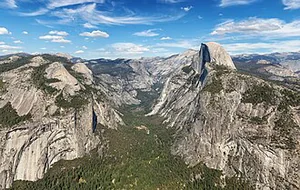
Yosemite National Park isn’t just a place you see; it’s a place you feel. Stand in Yosemite Valley at dawn, and the light hits El Capitan’s granite face in a blaze of gold and rust. The air smells of pine and damp earth. Off in the distance, Bridalveil Fall’s white ribbon drifts on the wind, a constant misty whisper. If ever a landscape deserved the word ‘cathedral,’ it’s this one.
Spread across nearly 1,200 square miles of California’s Sierra Nevada, Yosemite is a geological masterpiece. It’s home to towering monoliths, ancient giant sequoias, and waterfalls that seem to pour from the clouds. Tourists have flocked here for more than 150 years, yet the park somehow retains its wild heart. Whether you’re a hiker, a photographer, or simply someone in search of awe, Yosemite delivers in a way few places on Earth can.
Yosemite’s fame rests on more than just scenery. Its meadows host mule deer and black bears, its cliffs test the world’s best climbers, and its rivers and lakes offer cool summer dips. In winter, the valley transforms into a snow-globe wonderland. Each season brings its own character, which is why people return year after year. It’s not a museum; it’s a living, breathing landscape.
Long before it was a park, this region was home to the Ahwahneechee people, who lived in Yosemite Valley for centuries. They called it ‘Ahwahnee,’ meaning ‘place of gaping jaws.’ Then came the California Gold Rush of 1849, which changed everything. In 1851, a battalion of the Mariposa County militia entered the valley in pursuit of Ahwahneechee fighters—the first documented visit by outsiders. Word spread quickly about the incredible scenery.
That publicity sparked a movement. In 1864, President Abraham Lincoln signed the Yosemite Grant, setting aside the valley and the Mariposa Grove of giant sequoias as protected land. This was the first time the federal government preserved land for public use and enjoyment. But the real champion of Yosemite was naturalist John Muir. His passionate writings convinced President Theodore Roosevelt to expand protections, and in 1890 Yosemite became a national park. By 1906, the state added the valley back to the federal park, creating the grand landscape we know today.
Over the decades, Yosemite grew into a symbol of American wildness. The completion of the transcontinental railroad brought tourists in the 1870s, and later, automobiles changed the experience entirely. By the early 1900s, the park boasted grand hotels and a growing network of trails. Today, you can still see those historic buildings, including the Majestic Yosemite Hotel and the rustic Parsons Memorial Lodge. But the park’s history isn’t just about people—it’s also about shifting ideas of conservation, from ‘scenic wonder’ to a vital, protected ecosystem.
So, what should you actually do inside the park? Start with Yosemite Valley, the heart of it all. Here you’ll spy El Capitan, Half Dome, and Yosemite Falls, which plunges 2,425 feet—one of the tallest waterfalls in North America. Rent a bike or join a shuttle to get around. If you’re up for a walk, the short paved path to the base of Lower Yosemite Fall is a must. Then drive up to Glacier Point for a jaw-dropping panorama of the high country. That’s an easy half-day right there. Begin at the Yosemite Valley Visitor Center to get your bearings. Grab a map and hop on the free shuttle; it makes eight loops around the valley floor. You can stop at the Ansel Adams Gallery to see classic photographs, then walk the meadow trails. In the summer, a swim in the Merced River at Sentinel Beach is a delicious way to cool off. Yes, the water is chilly—but that’s half the fun.
How much time should you set aside? Honestly, at least two full days. If you can only spend one, focus on the valley and Glacier Point. With a second day, head to Tuolumne Meadows for wide-open alpine scenery. And don’t forget Mariposa Grove, home to over 500 giant sequoias, including the massive Grizzly Giant. A short shuttle ride from the parking area takes you to the grove, and you’ll feel tiny walking beneath these ancient giants. For hikers, Yosemite offers something for every boot size. The Mirror Lake loop is a gentle hour-long meander. The Four Mile Trail to Glacier Point rewards you with elevation, sweat, and killer views. And if you’re seeking real bragging rights, check in at the permit office for Half Dome via the cables—a 14-mile round trip not for the faint of heart. Treat the park’s physical challenges with respect, and it will treat you to memories that last a lifetime.
Tickets are straightforward. The park charges an entrance fee per vehicle, valid for seven days. If you plan to visit multiple national parks, the America the Beautiful pass is a great deal. There’s no need for a reservation to enter on most days, but during peak summer and holidays, the park sometimes runs a lottery for vehicle access. Check the current rules on the official NPS website before you go, so you don’t get caught off guard. No need to pass on a budget, though—the entrance ticket covers camping and hiking for seven days, and kids under 16 get in free. If you’re arriving before sunrise, you might catch an hourly gate with no wait, though mid-morning queues can stretch. Parking in the valley is famously tight; consider parking at the Curry Village lot and using the shuttle to spare your nerves. Because nothing dulls the wonder of a granite giant like circling for a parking spot.
For the classic Yosemite postcard, get to Tunnel View at sunset—the view of the valley with El Cap and Bridalveil is iconic. For a quieter scene, head to Valley View early in the morning, where the Merced River reflects the cliffs. Want a hidden gem? Hike to Cathedral Lakes off Tioga Road, or take the quieter trail to Elizabeth Lake. And if you’re up for a challenge, the Mist Trail up to Vernal and Nevada Falls will reward you with spray, rainbows, and a serious dose of mountain glory. Be sure to carry water and watch your step. Besides Cathedral Lakes, you’ll find fewer crowds at Wapama Falls through the Hetch Hetchy Valley—a serene alternative to the busy valley floor. Or seek out Tuolumne Grove, which offers a quieter sequoia experience than Mariposa. And for a magical end to the day, watch the last light blaze across Half Dome from Sentinel Bridge. When the colors fade and the stars come out, you’ll realize why Yosemite has been inspiring people for generations.
