You haven’t really seen the French Riviera until you’ve stood on a sun-bleached terrace in Monaco, gazing down at a harbor bristling with superyachts the size of small villages. This isn’t just another resort town. It’s a sovereign microstate, a principality squeezed between the Mediterranean Sea and the eastern edge of France, where every inch of limestone cliff seems to shimmer with wealth, speed, and a thousand-year-old story. Monaco is a place where the royal palace sits side by side with scientific marvels, where Formula 1 cars scream through the same streets where well-dressed locals pause for espresso, and where the phrase “casino” carries more history than you’d ever guess.
The first impression can be dizzying. One moment you’re driving along the coastal road, and the next you’re swallowed by the sheer vertical drama of Monaco. Glittering towers rise from the rocks in a tangle of modern architecture, while the deep blue sea flashes between buildings like a living gem. The air smells of salt, expensive perfume, and faintly of burnt rubber from the famous Grand Prix circuit. You’ll notice the superyachts first, then the impeccably dressed people, then the silence of money that somehow feels both intimidating and strangely welcoming. Monaco doesn’t just invite you to look. It dares you to imagine a life where every day feels like a high-stakes scene from a film.
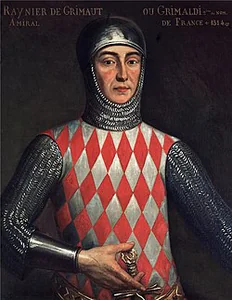
But this glitzy facade has deep roots. Monaco’s history stretches back well over seven hundred years, to a night in 1297 when François Grimaldi, a disgruntled nobleman, disguised his soldiers as monks and sneaked them into the fortress that guarded the Rock of Monaco. That cunning takeover gave the Grimaldi family control of the area, and they haven’t let go since. Over the centuries, the tiny principality survived invasions, French revolutions, and the shifting tides of European politics. In the early nineteenth century, Monaco was so poor that it nearly collapsed. The solution? A casino, which opened in the town of Monte Carlo in 1863. That venture, backed by the Princess Caroline and the enterprising businessman François Blanc, transformed Monaco into a playground for aristocrats and, later, celebrities. It literally put the little state on the map.
The twentieth century brought both challenges and reinvention. During the wars, Monaco remained neutral, but its reputation as a gambling haven drew mixed reviews. Then, in 1956, Prince Rainier III married the American actress Grace Kelly. Suddenly Monaco had a fairytale princess, and the world couldn’t look away. Rainier reimagined Monaco as a financial haven and a glamorous destination, while also reclaiming land from the sea to create modern districts like Fontvieille. Today, Prince Albert II carries on the legacy, but the soul of Monaco is still rooted in that ancient Rock and the family drama that made it famous.
So, where do you actually start when you visit? Your first stop should be Monaco-Ville, often called the Rock. This old town sits on a dramatic limestone promontory jutting into the sea. Wander the narrow, cobbled streets, and you’ll find the Prince’s Palace, where the changing of the guard happens daily at 11:55 AM. Inside, the state apartments are a jaw-dropping mix of Italian Renaissance frescoes and gilded furniture. Just down the hill, the Monaco Cathedral offers a quieter experience. It’s the final resting place of Grace Kelly and Rainier III, and its white stone walls feel both humble and majestic. Don’t just rush through these sights. Instead, pause on the terrace by the palace gardens and watch the yachts drift in the harbor below. That’s when the real Monaco hits you.
Another must-see is the Oceanographic Museum, which clings to the cliffside like a stone ship. Founded in 1910 by Prince Albert I, this museum houses one of the finest aquariums in Europe. The shark lagoon, dimly lit and hypnotic, is worth the admission alone. Upstairs, the exhibits on marine science and the prince’s own ocean voyages add a geeky, earnest layer to Monaco’s flashy personality. You could easily spend two hours here, especially with kids in tow. And if you’re a fan of exotic plants, don’t miss the Jardin Exotique, the Exotic Garden, perched on a cliff above the city. Its collection of cacti and succulents from around the world seems to defy the harsh coastal climate, and the view from the top is a stunner.
Of course, the legendary Monte Carlo Casino deserves your attention, even if you never place a bet. The Belle Époque building, with its marble columns and sculpted gold figures, looks like a confection that escaped the nineteenth century. To enter the main gaming rooms, you’ll need a passport and a modest entry fee, and there’s a strict dress code—no shorts, no sneakers. That’s part of the charm, really. You can also simply walk around the famous atrium for free or peek into the stylish Café de Paris across the square. Pro tip: go early in the morning, when the square is empty and the light makes the casino’s facade glow. The best photo spot is from the steps leading up to the hotel on the opposite side. You’ll capture the perfect postcard shot.
But Monaco hides quieter treasures too. The Saint Martin Gardens, tucked along the cliff trail between the palace and the oceanographic museum, are a leafy oasis with ancient trees and serene benches. Hardly anyone mentions them, and that’s exactly why you should go. Also skip the main shopping promenade and wander down to Port Hercule, where the real-life backstory of the Grand Prix circuit lives. You can actually walk the same asphalt where racing legends like Senna and Prost once battled. Watch for the famous tunnel section near the harbor—when no race is on, it’s just a regular road, but it still sends a shiver down your spine. For a final hidden gem, pop into the Napoleon Museum in the palace wing. It’s a quirky collection of imperial relics, old maps, and letters that rarely gets crowded.
Plan for at least a full day, ideally two if you want to truly soak up Monaco’s atmosphere. You don’t need a ticket just to wander the public streets, but you’ll want ones for the palace apartments, the oceanographic museum, and the casino if you plan to enter. Prices are moderate, though the casino’s gaming rooms cost a bit more than the museums. Wear comfortable shoes because everything tends uphill. And don’t overlook the simple joy of sitting in a café with a view of the sea, watching the locals cycle past in their linen shirts. Monaco may be tiny, but it’s packed with more character, history, and jaw-dropping scenery than many countries ten times its size. It’s the kind of place that stays in your memory, glowing like a sunlit stone, long after you’ve gone home.
